Restoring River Namatala: How Bamboo Is Strengthening Ecosystems and Safeguarding Lives in Mbale City
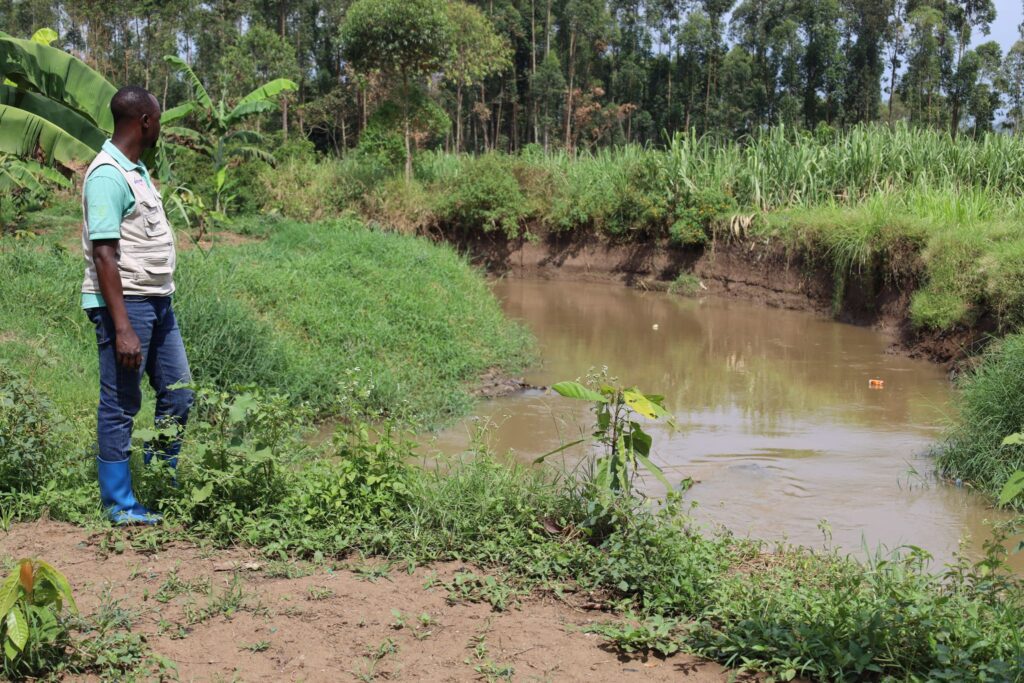
River Namatala is one of the most important natural assets in Mbale City. Flowing through densely populated neighborhoods, the river plays a critical role in urban drainage, environmental health, and the livelihoods of communities living along its banks. However, rapid urbanization, encroachment, and the loss of natural vegetation have left the river increasingly vulnerable to erosion and flooding.
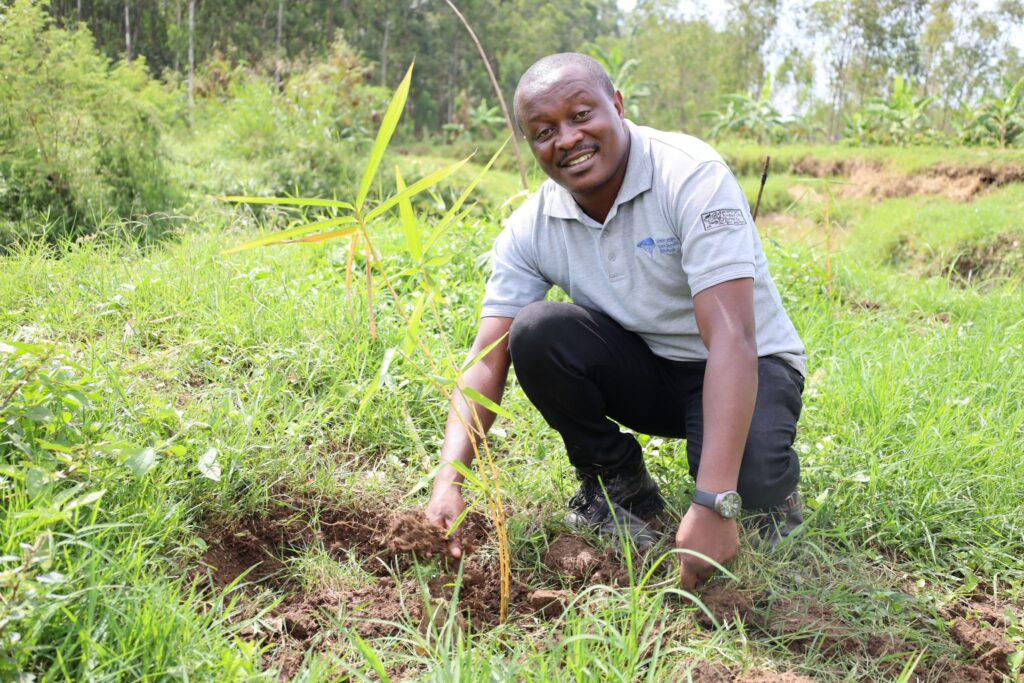
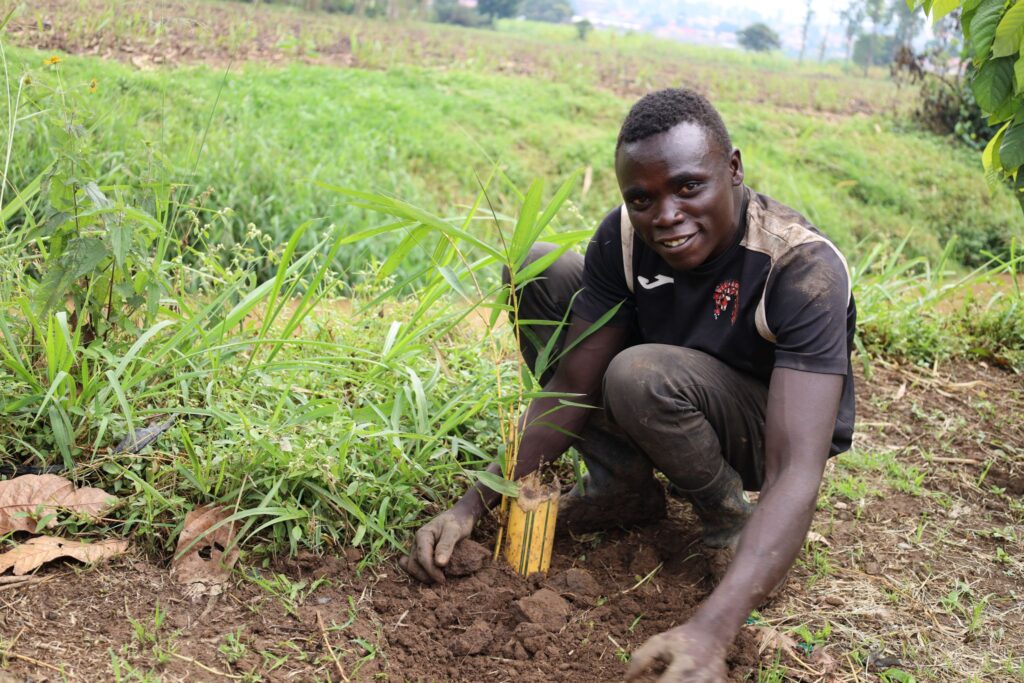
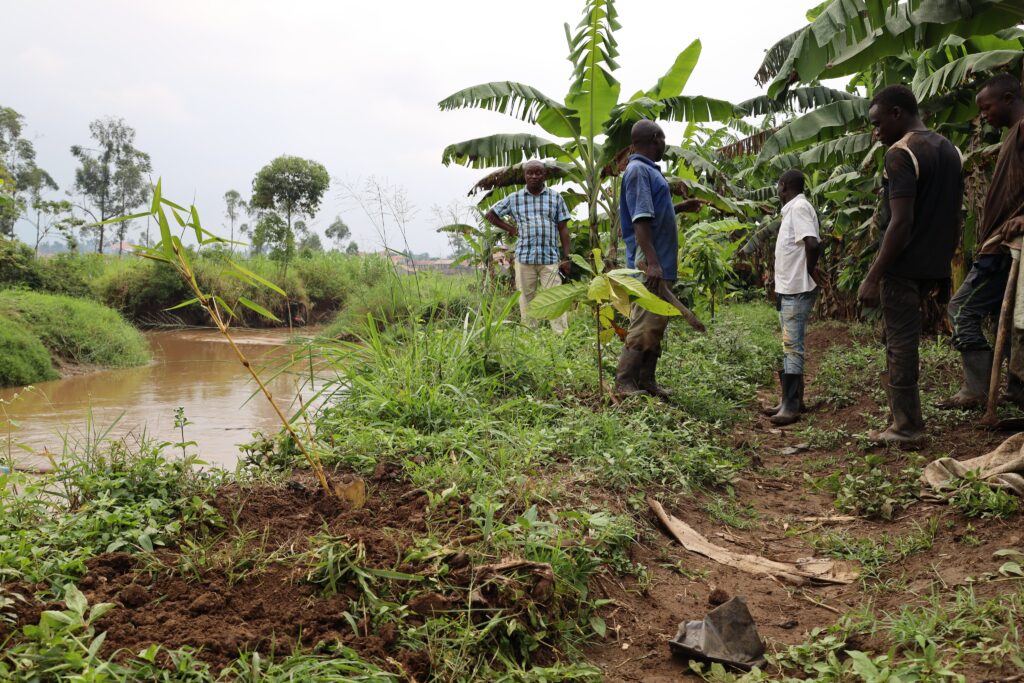
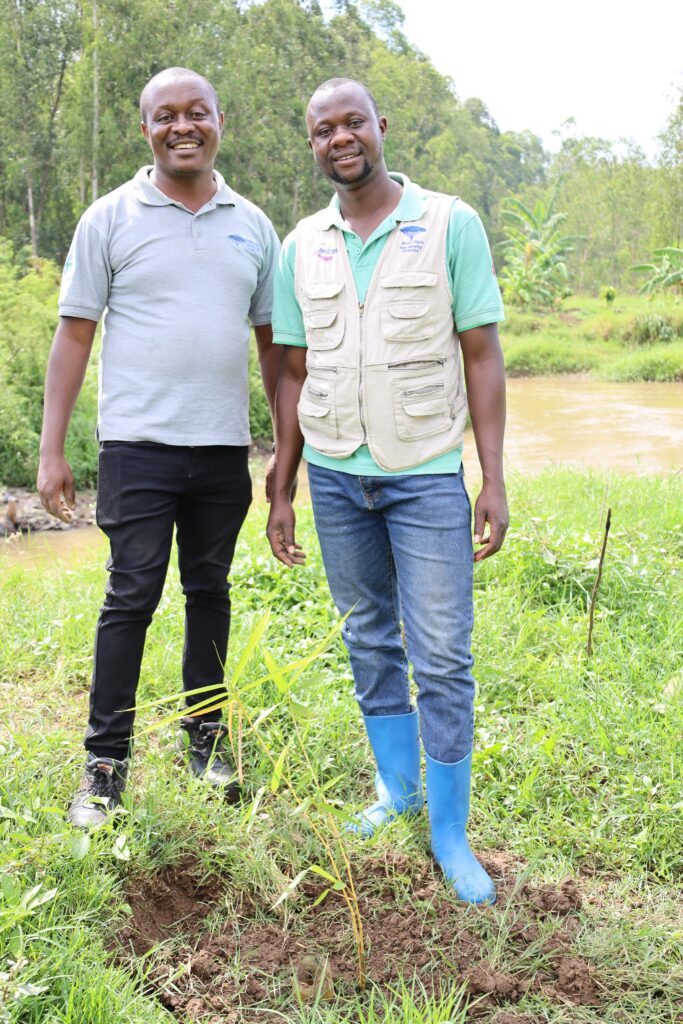
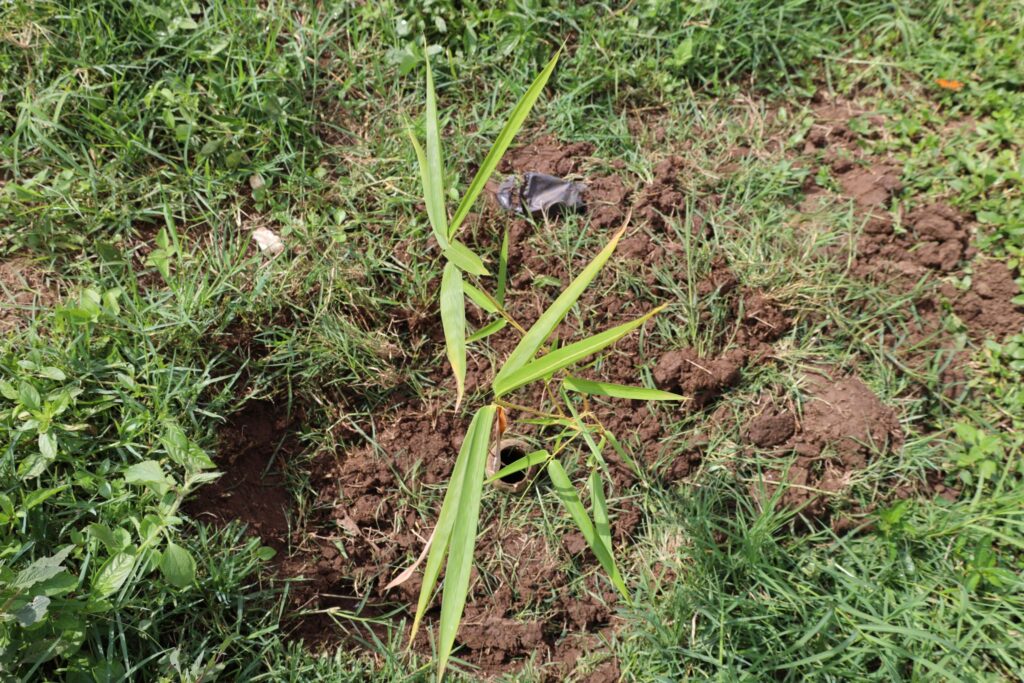
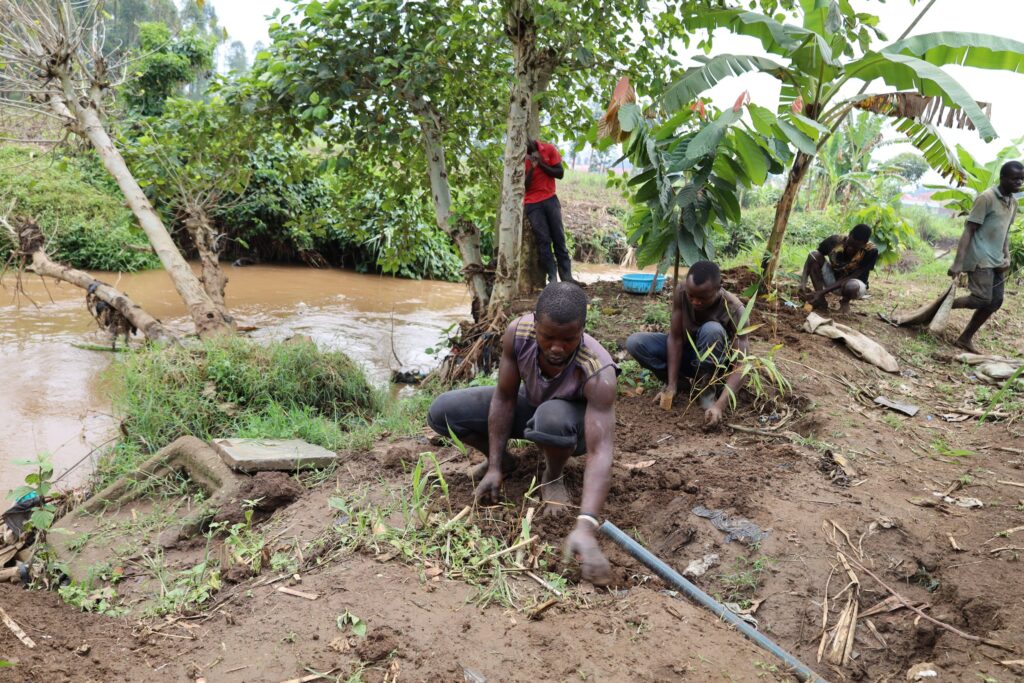
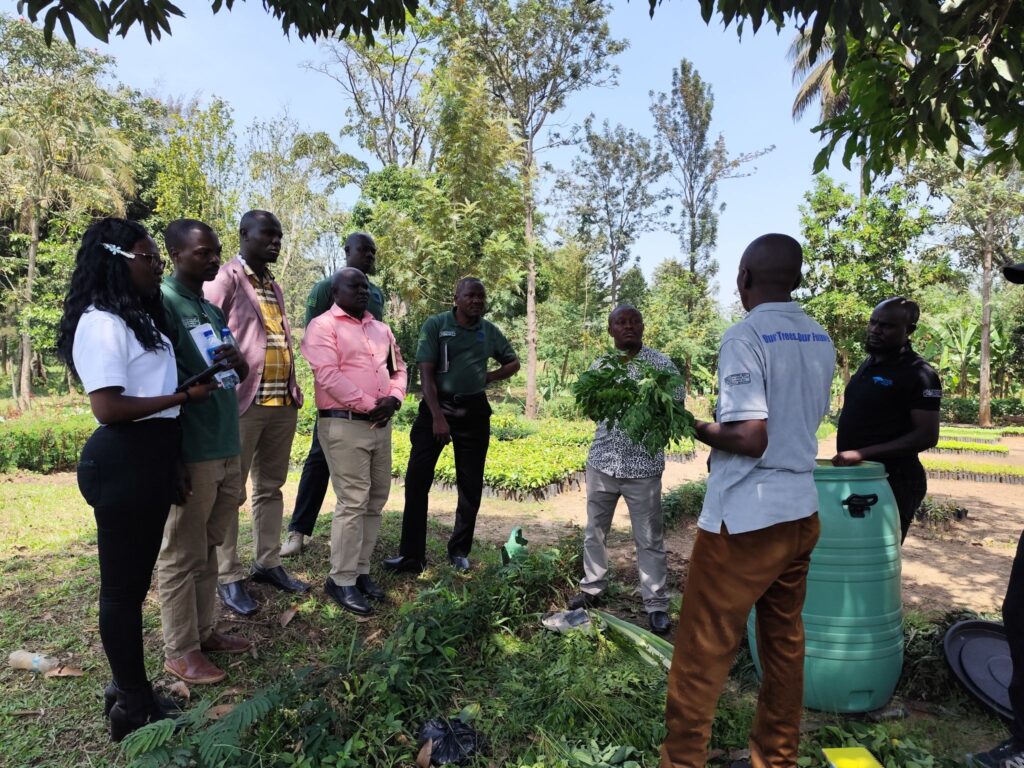
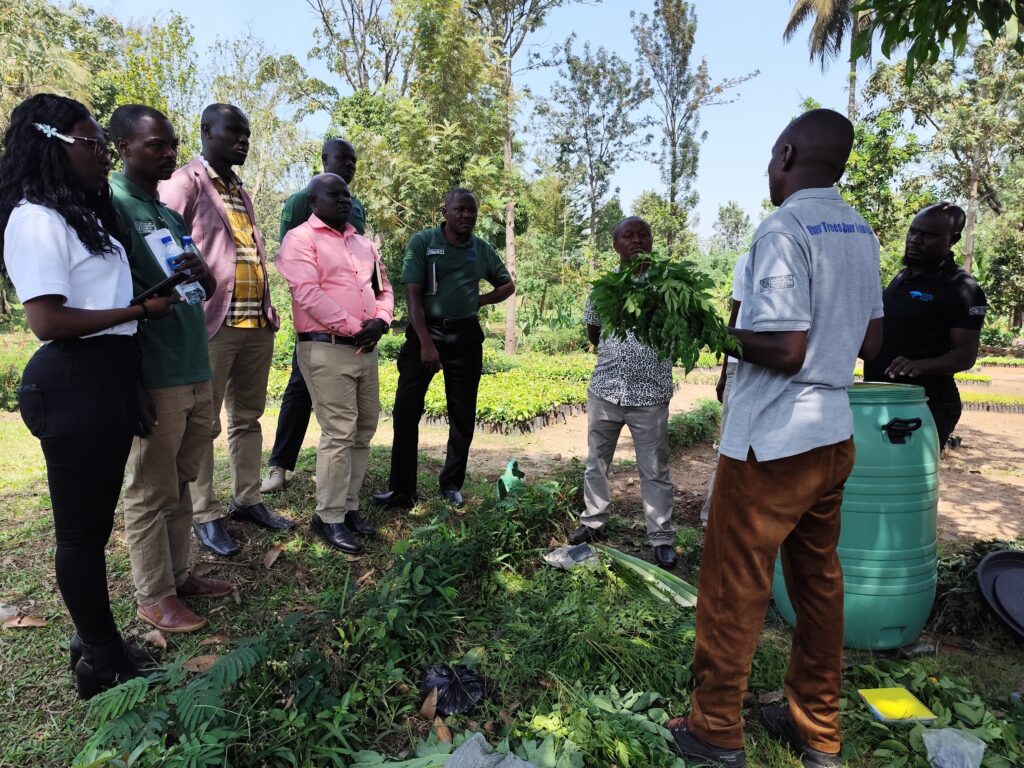
In response, Mount Elgon Tree Growing Enterprise (METGE) has intensified ecosystem restoration efforts along River Namatala, planting 600 bamboo suckers in partnership with communities living along the river corridor. This intervention is part of METGE’s broader commitment to restoring degraded riverbanks and strengthening ecosystem services across the Mount Elgon region.
River Namatala’s vulnerability became tragically evident in 2022, when heavy rains caused the river to burst its banks. The floods claimed lives, displaced families, and destroyed homes, businesses, and infrastructure. The disaster underscored the urgent need for nature-based solutions that can protect both people and ecosystems.
“When riverbanks are stripped of vegetation, the river becomes dangerous. It moves faster, erodes the soil, and floods easily,” explains Abubakali Maale, Project Officer for Restoration of Ecosystems and Ecosystem Services at METGE. “Restoring vegetation is not optional anymore—it is a matter of safety and survival for urban communities.”
Why Bamboo?
Bamboo was deliberately selected as the restoration species along River Namatala because of its unique ecological and social benefits. Its strong, fibrous root system firmly binds soil together, making it highly effective in stabilizing riverbanks and preventing erosion. Unlike many tree species, bamboo grows rapidly, providing quick protection to degraded river corridors.
“Bamboo is one of the best nature-based solutions for river restoration,” Maale notes. “Its roots hold the soil tightly, reducing erosion, while its fast growth helps protect riverbanks within a short time. This makes it ideal for rivers like Namatala that face constant pressure.”
Beyond erosion control, bamboo also plays a vital role in improving water quality by filtering runoff before it enters the river. This contributes to healthier aquatic ecosystems while supporting downstream users who depend on the river for domestic and economic activities.
Climate Action and Future Livelihoods
The bamboo restoration initiative also aligns with broader climate change mitigation and adaptation goals. Bamboo is a powerful carbon sink, absorbing significant amounts of carbon dioxide as it grows. At the same time, it enhances climate resilience by reducing flood risks and protecting urban infrastructure.
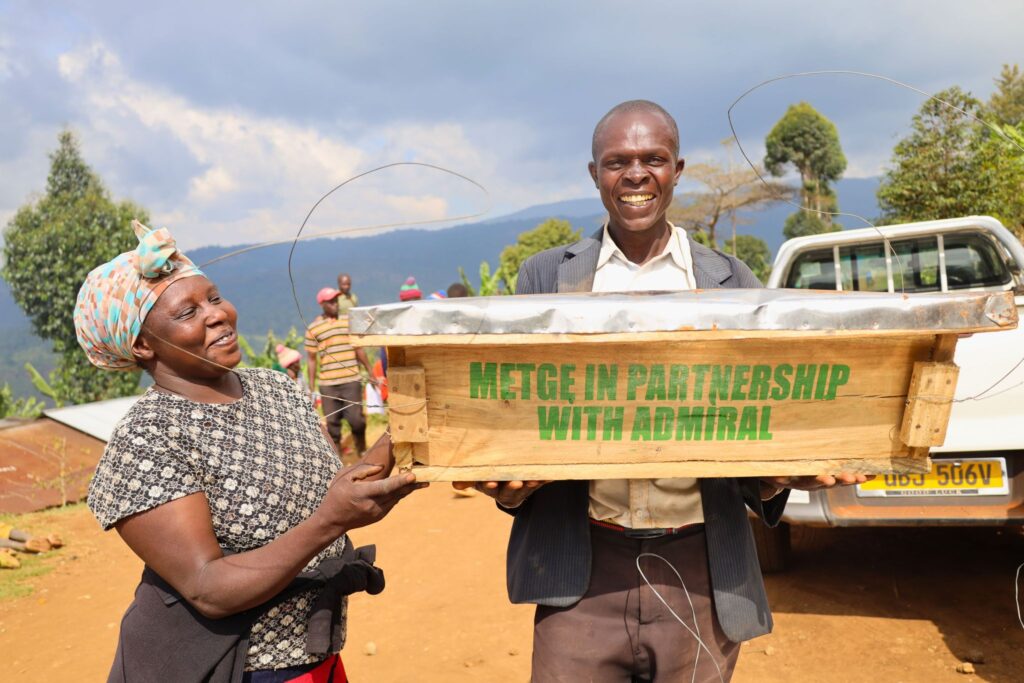
Importantly, bamboo offers long-term livelihood opportunities for riverbank communities. When sustainably managed, bamboo can be harvested for construction materials, crafts, furniture, and energy-saving products—creating income while maintaining environmental protection.
“We want communities to see restoration not just as conservation, but as an investment in their future,” says Maale. “Bamboo can support green livelihoods while keeping rivers safe. That balance is very important.”
A Broader Restoration Vision
The River Namatala initiative builds on METGE’s extensive experience in river rehabilitation. To date, the organization has rehabilitated over 20 kilometers of rivers across Mbale District, Mbale City, and Sironko District, including Rivers Nabuyonga, Nakayirira, Kikafu, and Sonoi. These efforts have been implemented through strong collaboration with local governments, community groups, and development partners.
By working hand in hand with communities, METGE ensures that restoration efforts are locally owned and sustainably managed.
“Ecosystem restoration succeeds when communities are part of the solution,” Maale emphasizes. “When people understand the value of rivers and vegetation, they become the strongest protectors of these ecosystems.”
As bamboo takes root along River Namatala, it represents more than just planted suckers—it symbolizes hope, resilience, and a safer future for Mbale City. Through nature-based solutions, METGE continues to demonstrate that restoring ecosystems is one of the most effective ways to protect lives, strengthen livelihoods, and build climate-resilient cities.